










Sports-related strains can sideline even the most dedicated athletes, causing discomfort and limiting performance. Fortunately, physiotherapy offers effective strategies for pain relief for strains, helping you manage your discomfort and reduce the risk of further injury.
Let’s examine muscle strains, how they develop, and how the team at Park Physiotherapy and Foot Clinic can help you get back in the game.
What Are Strains and How Do They Happen?
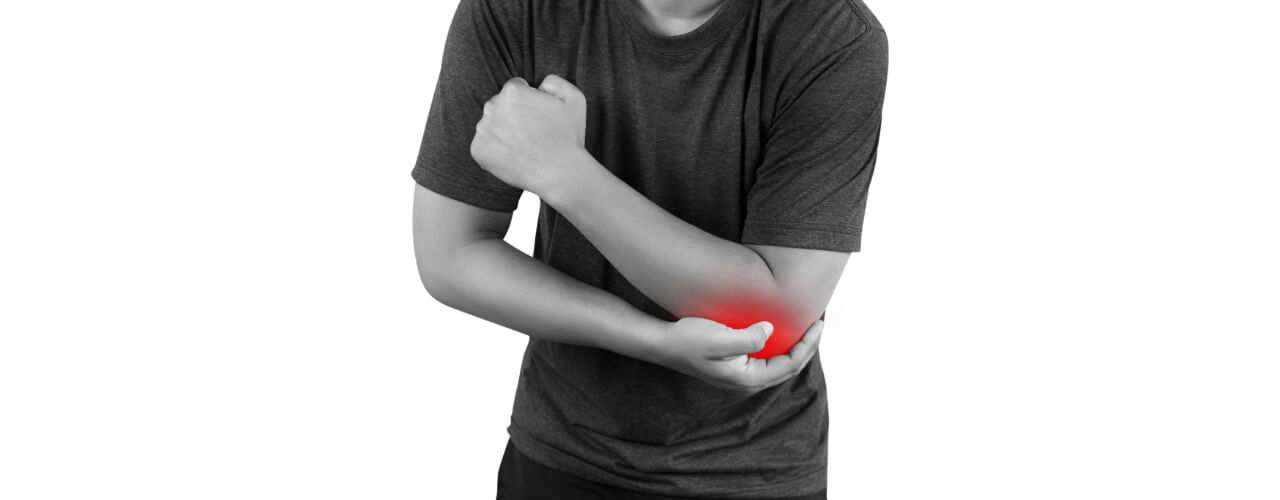
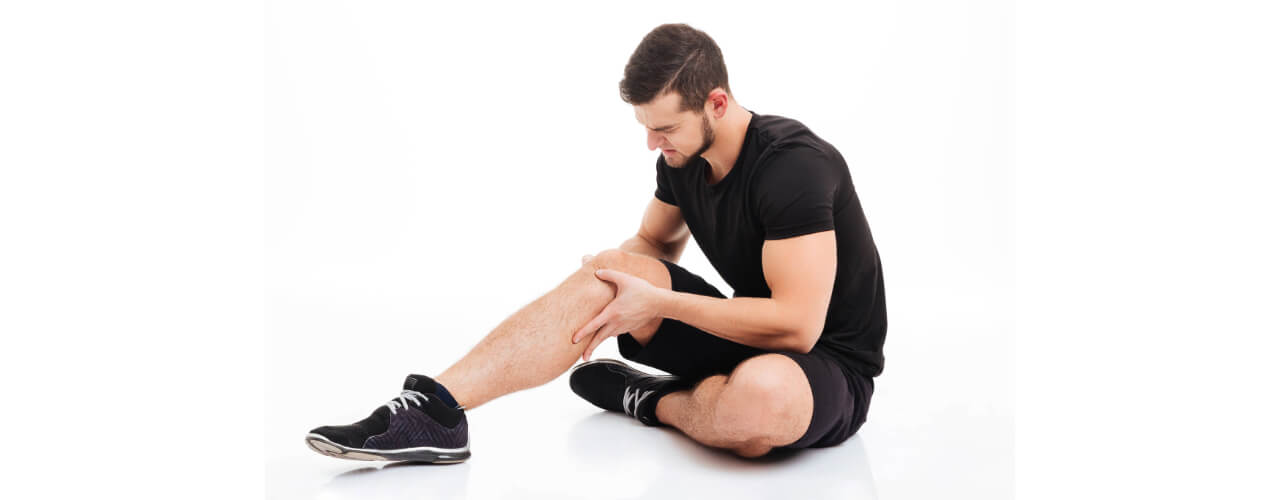
A muscle strain occurs when fibers in the muscle or tendon (the tissue that connects muscle to bone) are overstretched or torn. Strains typically happen during physical activities that involve sudden movements, such as sprinting, jumping, or lifting heavy weights.
Athletes are particularly prone to muscle strains due to the repetitive and high-intensity nature of sports training.
Strain Symptoms
- Pain or tenderness in the affected area
- Swelling or bruising
- Limited range of motion
- Weakness in the muscle
Strain Causes
Overuse
- Repeating the same motion without adequate rest can fatigue muscles and increase the risk of strains.
Lack of Warm-Up
- Failing to properly prepare muscles for activity can make them more susceptible to injury.
Poor Technique
- Incorrect form during exercise or sports can place undue stress on muscles.
How Physiotherapy Helps Manage Strain-Related Pain
Physiotherapy is a great choice for helping athletes find pain relief for strains. It’s non-invasive, meaning it doesn’t rely on medications or major medical procedures. Our emphasis on helping you find long-term solutions means we’ll work with you to identify the tools and techniques to prevent future injuries.
We’ll begin with a thorough assessment to determine the severity of your strain and identify contributing factors, such as muscle imbalances or improper movement patterns.
From there, we’ll blend various treatment techniques to help you manage discomfort, fully rehabilitate your injury, and prevent future incidents. Here’s how:
Pain Management Techniques
Physiotherapy offers several methods to reduce pain and inflammation, including soft-tissue manipulation and various treatment modalities.
These techniques provide immediate relief while laying the foundation for long-term recovery.
Therapeutic Exercise
Once the acute pain subsides, we’ll focus on rebuilding muscle strength and improving mobility. We’ll create a personalized program featuring exercises tailored to your condition that gradually build in intensity as you heal. This process ensures the muscle regains full function without risking re-injury.
Biomechanical Corrections
Poor movement patterns or techniques can increase strain on your muscles. We’ll work with you to correct these issues, whether improving running form or adjusting lifting techniques. This proactive approach reduces the likelihood of recurring strains.
Additional Injury Prevention
Beyond treating the current injury, we’ll provide you with customized tips to help prevent future strains. For example, we might help you improve your warm-up routines or develop a strengthening program tailored to your sport.
Don’t Let a Muscle Strain Keep You on the Sidelines
Whether you’re dealing with acute pain or recovering from a lingering injury, our team can help with pain relief for strains. Contact Park Physiotherapy and Foot Clinic’s Oshawa, ON clinic today to schedule your initial assessment.