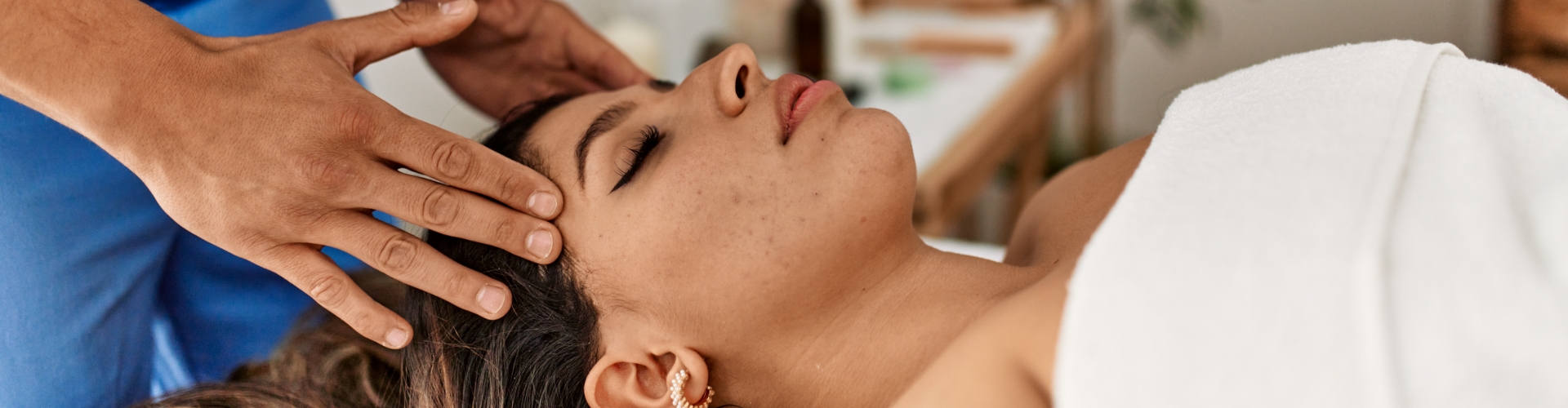










Relieving Jaw Pain and Restoring Comfortable Movement
Jaw pain can affect how you talk, chew, and even sleep. At Park Physiotherapy and Foot Clinic, our physiotherapists provide safe, evidence-based TMJ dysfunction treatment in Oshawa, ON. We use gentle, targeted techniques to reduce pain, improve movement, and help you regain normal jaw function.
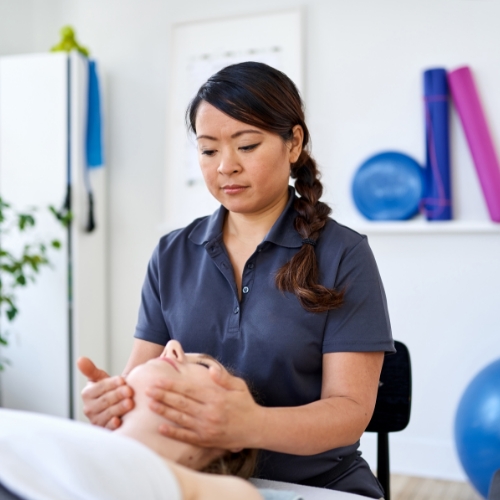
Understanding TMJ Dysfunction
The temporomandibular joint (TMJ) connects your jaw to your skull and allows smooth movement when you eat or speak. When this joint becomes irritated or strained, it can cause pain, clicking, or stiffness. This condition is known as TMJ dysfunction, or TMD.
TMJ problems can result from teeth grinding, jaw clenching, stress, or poor posture. Physiotherapy helps relieve tension in the surrounding muscles and joints, promoting normal movement and comfort.
Common Causes of Jaw Pain
Jaw discomfort can develop gradually or suddenly, depending on the cause. Common reasons for TMJ dysfunction include:
- Jaw clenching or teeth grinding (bruxism)
- Stress and tension in the neck or face
- Poor posture, especially forward head position
- Joint inflammation or arthritis
- Trauma or injury to the jaw area
- Habitual chewing or overuse of one side
Your physiotherapist will assess your posture, jaw movement, and muscle tone to identify the cause and create a treatment plan that supports recovery.
Recognizing the Symptoms of TMJ Dysfunction
TMJ dysfunction can cause a variety of symptoms, which may come and go over time. Common signs include:
- Pain in the jaw, face, or around the ear
- Clicking, popping, or grinding sounds when opening the mouth
- Difficulty chewing or yawning
- Tightness in the neck, shoulders, or face
- Headaches or ear discomfort
- Limited ability to open or close the mouth fully
If these symptoms persist, professional assessment and treatment can help reduce discomfort and restore normal movement.
How Physiotherapy Helps Relieve TMJ Pain
At Park Physiotherapy and Foot Clinic, our physiotherapists use targeted techniques to reduce tension and improve jaw function. Your individualized treatment plan may include:
- Manual therapy to release tight muscles and improve joint alignment
- Jaw mobility exercises to restore smooth, controlled motion
- Relaxation and breathing techniques to reduce clenching and tension
- Postural correction to relieve strain on the jaw and neck
- Education on habits and ergonomics to prevent flare-ups
All treatment is gentle, safe, and adapted to your comfort level. Your physiotherapist will guide you through exercises and strategies to maintain progress at home.
Why Early Treatment Helps
When left untreated, TMJ dysfunction can lead to ongoing pain, limited movement, and headaches. Early physiotherapy reduces muscle tension, improves joint function, and helps prevent long-term irritation.
At Park Physiotherapy and Foot Clinic, we focus on relieving pain and teaching practical ways to manage and prevent future discomfort.
Regain Comfort and Control
If jaw pain is interfering with your daily life, Park Physiotherapy and Foot Clinic in Oshawa, ON can help. Our physiotherapists are experienced in treating TMJ dysfunction and related symptoms using gentle, evidence-based care.
Frequently Asked Questions About TMJ Dysfunction
Can physiotherapy really help with TMJ dysfunction?
What can I do at home to relieve jaw pain?
How long does it take to notice improvement?
Your Next Steps…
- Request An Appointment
- Receive A Custom Treatment Plan
- Work Hard and Progress In Your Recovery
- Recover & Enjoy Life Pain-Free